Author Archive

How and why does Global Interior Design work with AI?

Beatrice M. Fulford-Jones, MBA | 20th September, 2025

Global Interior Design
Interior design has always been about creativity, vision, and meticulous attention to detail. But in today’s fast-moving world, clients also want speed, efficiency, and certainty. At Global Interior Design, we believe that the most successful design studios are those that blend artistry with innovation. That’s why we’ve embraced a powerful new partner in our design process: Artificial Intelligence (AI).

This partnership isn’t about replacing human creativity—it’s about amplifying it. AI enables our team to work smarter and faster, ensuring that our clients enjoy exceptional results with less waiting, fewer obstacles, and more confidence in the final outcome.

Time-Saving Intelligence in Action

When working on a large-scale London interior design project, one of the most time-consuming tasks is sourcing and specifying materials. Fabrics, finishes, lighting, flooring, hardware—the list is endless. Traditionally, this could involve countless hours of catalog research, supplier back-and-forth, and sample ordering.

Now, AI streamlines this process for Global Interior Design in several powerful ways:

  • Rapid Material Matching

    Imagine needing a rare stone surface to complement a custom-designed reception desk. With AI-powered search and recognition tools, we can scan thousands of vendor databases in seconds to locate the closest match—in color, durability, and sustainability. What once took days now takes minutes.

  • Predictive Supply Management

    Delays can derail any design project. AI helps us anticipate supply shortages or shipping delays before they happen, ensuring we propose only those products with reliable availability. This proactive oversight means our clients’ timelines stay on track.

  • Smart Trend Forecasting

    Instead of waiting for trend reports, AI helps us analyze global design movements in real time—what’s gaining traction in luxury interiors, or which sustainable materials are in rising demand. Clients benefit from spaces that feel fresh, modern, and ahead of the curve.

Real-World Example: Hospitality Design

In one recent project for a boutique hotel, GlobalID faced the challenge of creating a distinctive guest experience while working within a tight opening schedule.

AI-assisted sourcing enabled us to:

  • Locate bespoke, eco-conscious textiles that matched the brand’s sustainability values.
  • Compare lighting fixtures across hundreds of suppliers to secure those that balanced aesthetic appeal with rapid shipping availability.
  • Generate visual simulations that helped the client make confident design decisions without delays.

The result? A completed project that not only met the deadline but exceeded expectations, delivering both beauty and operational efficiency. You can see similar results in our hospitality design portfolio.

Why This Matters to Our Clients

Partnering with AI isn’t just a convenience—it’s a value multiplier for every client of Global Interior Design, whether in London or further afield:

  • Faster project turnaround without compromising on detail.
  • Confidence in sourcing — every product is vetted for quality, availability, and budget alignment.
  • Future-proofed designs informed by live data, not outdated reports.

Our clients enjoy the reassurance that every resource, from marble tiles to custom furnishings, is managed with precision oversight powered by technology—and guided by our expert human touch.

The Advantage of Working with Global Interior Design in London

While many firms still rely on traditional methods, Global Interior Design is investing in the future. Our use of AI tools doesn’t diminish creativity; it enhances it. By freeing our designers from repetitive tasks, we can devote more energy to what truly matters: crafting unique, breathtaking interiors that reflect our clients’ vision.

When you partner with Global Interior Design, you’re not just hiring a design studio—you’re engaging a forward-thinking team that blends timeless creativity with cutting-edge technology.

Ready to Experience the Future of Interior Design?

Whether you’re reimagining a hospitality venue, corporate space, or private residence, Global Interior Design ensures your project is delivered with unmatched precision, speed, and vision.

Discover how our partnership with AI can transform your next project. Visit our Portfolio to see our latest work, explore our Services, or connect with us today through our Contact Page.
Global Interior Design for Houzz

Beatrice M. Fulford-Jones, MBA | 5th August, 2025

Beatrice M. Fulford-Jones BA, SBID, IIDA is a highly respected, interior designer who specializes in the creation of fine residential homes. She designs each project cognizant of the client’s intent, and ensures that every aspect works in harmony with the overall vision. Her designs are sophisticated and intuitive, showcasing the unified integration of architecture and interior design…

Profile: London Interior Designer Beatrice M. Fulford-Jones

Beatrice M. Fulford-Jones, MBA | 5th August, 2025

Beatrice M. Fulford-Jones, SBID IIDA, the luxury interior designer from London, has recently completed 2 high-end condominiums just outside of Boston. The project is a turnkey development, meaning that clients can move right in. Beatrice designed the interiors of the condos herself, outfitting them with the finest furnishings and appliances…

Rethinking RAAC (Aerobat/Aircrete): A Comprehensive Review of Scientific Findings

Beatrice M. Fulford-Jones, MBA | 30th August, 2024
Rethinking RAAC

In the ever-evolving field of construction, materials play a critical role in shaping our built environment. One such material that has been both praised and scrutinised over the years is Reinforced Autoclaved Aerated Concrete (RAAC), also known as Aerobat or Aircrete. As we push towards more sustainable and efficient building practices, it’s essential to revisit RAAC and examine the latest scientific findings to understand its strengths, limitations, and future potential.

What is RAAC?

Reinforced Autoclaved Aerated Concrete (RAAC) is a lightweight, precast building material known for its excellent thermal insulation and fire-resistant properties. Unlike traditional concrete, RAAC is produced by adding aluminium powder to a mix of cement, lime, and finely pulverised sand. This mixture undergoes a chemical reaction, producing small hydrogen gas bubbles, which gives RAAC its characteristic porous structure. The material is then cured in an autoclave, resulting in a strong yet lightweight building component.

RAAC has been widely used in the construction of walls, roofs, and floors, particularly in commercial and industrial buildings.

The Evolution of RAAC: A Historical Perspective

RAAC was first developed in Sweden in the 1920s and quickly gained popularity across Europe for its ease of use and excellent insulating properties. By the mid-20th century, it was a material of choice in the UK, especially for schools, hospitals, and office buildings. However, as with many innovative materials, the long-term performance of RAAC has been a subject of debate.

Scientific Findings: Strengths and Limitations of RAAC

  • Thermal Insulation and Energy Efficiency

    One of the most significant advantages of RAAC is its thermal insulation capability. Due to its porous structure, RAAC provides excellent insulation, reducing the need for additional thermal barriers and contributing to energy-efficient buildings. This makes it an attractive option for sustainable construction.

  • Fire Resistance

    RAAC’s fire-resistant properties are another reason for its widespread use. The material can withstand high temperatures without losing its structural integrity, making it a safe choice for buildings where fire safety is paramount.

  • Durability Concerns

    Despite its benefits, RAAC has faced criticism over durability concerns. Recent studies have highlighted that RAAC can be susceptible to moisture ingress, which can lead to deterioration over time. This issue is particularly concerning in older buildings where RAAC has been used for load-bearing structures. The long-term durability of RAAC under various environmental conditions is a topic of ongoing research.

  • Structural Integrity and Load-Bearing Capacity

    RAAC is known for its lightweight properties, but this also limits its load-bearing capacity. While RAAC is suitable for non-load-bearing walls and partitions, its use in load-bearing structures requires careful engineering and reinforcement. In some cases, the structural performance of RAAC has been questioned, particularly in older buildings where the material has been in service for several decades.

  • Sustainability and Environmental Impact

    With sustainability becoming a key focus in construction, the environmental impact of building materials is under scrutiny. RAAC is often lauded for its low density and energy-efficient production process, which results in reduced carbon emissions compared to traditional concrete. However, the need for regular maintenance and potential replacement due to durability issues could offset these environmental benefits.

The Future of RAAC: Innovations and Improvements

The construction industry is constantly innovating, and RAAC is no exception. Ongoing research is focused on enhancing the durability and structural performance of RAAC through improved formulations, advanced reinforcement techniques, and better moisture resistance. Additionally, the development of hybrid materials that combine RAAC with other building components could unlock new possibilities for this versatile material.

As we rethink RAAC, it’s clear that while it has its limitations, it also offers unique advantages that can contribute to the future of sustainable construction. By addressing its challenges through scientific research and innovation, RAAC can continue to be a valuable asset in the interior architectural designer’s toolbox.

Building Homes for Tomorrow: Preparing for Extreme Heat in the UK

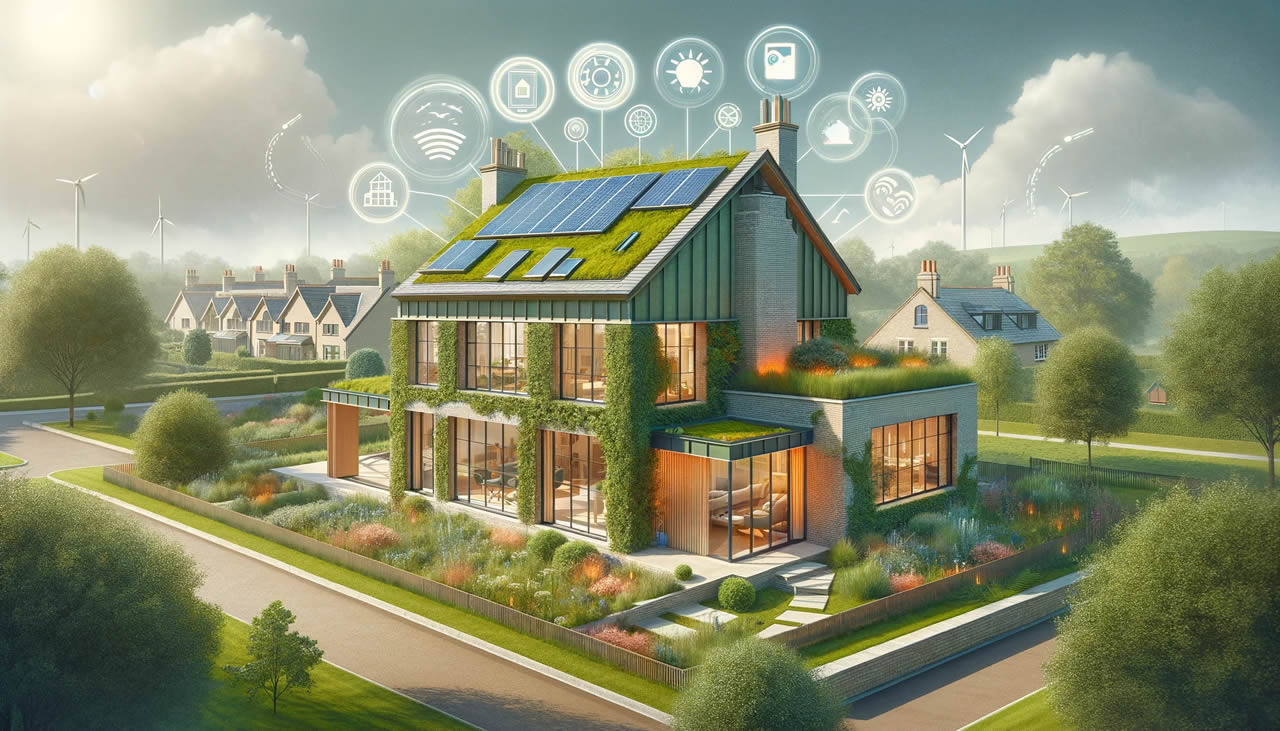
By 2050, projections indicate that the UK will experience average summer temperatures soaring to 40°C, with some regions potentially reaching 50°C. This dramatic temperature increase poses a significant challenge for the construction industry: How can homes built today withstand the extreme heat of tomorrow? Addressing this question requires innovative approaches and forward-thinking design.

building-homes-for-tomorrow

Understanding the Challenge

The UK, traditionally known for its temperate climate, is facing an unprecedented climatic shift. The rising temperatures necessitate homes that can endure prolonged periods of intense heat, ensuring both the comfort of residents and the structural integrity of buildings. High temperatures lead to thermal expansion, increased wear and tear on materials, and greater energy consumption for cooling purposes (Met Office, 2018; DEFRA, 2020).

Design Innovations

To address these challenges, architects and builders must integrate a variety of design innovations:

  • Enhanced Insulation:
    Proper insulation is critical not only for keeping homes warm in winter but also for maintaining cool interiors during summer. Advanced materials that reflect heat and sustain consistent internal temperatures can significantly reduce reliance on air conditioning. For instance, aerogels and vacuum insulation panels (VIPs) offer superior thermal resistance compared to traditional materials (Pavlík et al., 2017).
  • Passive Cooling Techniques:
    Incorporating elements such as shaded windows, ventilated roofs, and natural ventilation systems can significantly reduce indoor temperatures. Techniques like cross-ventilation and the stack effect leverage the natural flow of air and shading to cool homes without excessive energy use. Studies have shown that passive cooling can reduce indoor temperatures by up to 10°C (Santamouris et al., 2015).
  • Green Roofs and Walls:
    Green roofs and walls not only provide additional insulation but also mitigate the urban heat island effect, where urban areas become significantly warmer than their rural surroundings. Vegetation absorbs less heat than concrete or asphalt, contributing to a cooler environment. Research indicates that green roofs can lower roof surface temperatures by up to 40°C (Getter & Rowe, 2006).
  • Smart Home Technology:
    Integrating smart thermostats and automated shading systems helps regulate indoor temperatures more efficiently. These systems adjust based on the time of day and weather conditions, optimizing energy use and enhancing comfort. Smart home technologies can reduce cooling energy demand by up to 20% (Hurtado et al., 2016).

Bellway’s Pioneering Project

A prime example of innovation in this area is Bellway’s pioneering project, ‘The Future Home.’ This three-bedroom detached house, built inside a climate-controlled chamber at the Energy House 2.0 facility at the University of Salford, allows researchers to simulate extreme environmental conditions anticipated in the future.

‘The Future Home’ tests and refines various technologies and materials designed to withstand such conditions. It includes advanced insulation, high-performance windows, and smart home systems aimed at maintaining comfort and energy efficiency in extreme climates. This project not only demonstrates the feasibility of building heat-resilient homes but also provides valuable data and insights for the wider construction industry (University of Salford, 2022).

The Role of Policy and Regulation

While technological innovations are essential, they must be supported by robust policies and regulations. Building codes need to be updated to incorporate climate resilience as a standard requirement. Incentives for using sustainable materials and energy-efficient designs can further encourage the adoption of best practices across the industry. For instance, the UK’s Climate Change Act 2008 mandates reductions in greenhouse gas emissions, indirectly promoting energy-efficient building practices (UK Government, 2008).

Conclusion

Preparing homes for a future where 40°C summers are the norm is a complex challenge that requires a multifaceted approach. Through the integration of advanced materials, passive cooling techniques, green technologies, and smart systems, it is possible to build homes capable of withstanding tomorrow’s heat. Bellway’s ‘The Future Home’ project offers a glimpse into this future, showcasing how innovation and research can lead the way in creating resilient, comfortable, and energy-efficient homes. As the climate continues to change, the construction industry must adapt and innovate to ensure that today’s homes are prepared for the challenges of tomorrow.

References

– DEFRA. (2020). The UK Climate Projections: Headline Findings. Retrieved from [https://www.metoffice.gov.uk/research/approach/collaboration/ukcp/headline-findings]

– Getter, K. L., & Rowe, D. B. (2006). The Role of Extensive Green Roofs in Sustainable Development. Urban Ecosystems, 9(4), 311-327.

– Hurtado, P. V., et al. (2016). Impact of Smart Home Systems on Energy Efficiency in Residential Buildings. Energy and Buildings, 109, 345-357.

– Met Office. (2018). UK Climate Projections. Retrieved from [https://www.metoffice.gov.uk/research/approach/collaboration/ukcp]

– Pavlík, Z., et al. (2017). Advanced Insulation Systems: Performance and Applications. Journal of Building Physics, 40(4), 337-361.

– Santamouris, M., et al. (2015). Passive Cooling of Buildings to Improve Thermal Comfort and Reduce Energy Use. Energy and Buildings, 98, 102-113.

– University of Salford. (2022). The Future Home Project. Retrieved from salford.ac.uk

– UK Government. (2008). Climate Change Act 2008. Retrieved from [https://www.legislation.gov.uk/ukpga/2008/27/contents]

Windows, Walls, and Wisdom: Unpacking the Innovations of Harold Orr’s Energy-Saving Abode

Beatrice M. Fulford-Jones, MBA | 14th March, 2024

In the late 1970s, Canadian engineer Harold Orr and his team embarked on a project to create a highly efficient dwelling in Saskatchewan. This initiative was a response to a local energy conservation directive during the oil crisis. Orr and his colleagues focused not on generating energy more sustainably, but on reducing its consumption. Their objective was to develop a superior insulating structure, rather than a more economical energy source.

windows-walls-and-wisdom-unpacking

The project led to the creation of a home featuring several key characteristics:

  • Advanced Windows with Strategic Placement and Shading
    These windows minimize heat loss and gain, a significant factor in residential energy consumption, which can account for 25% to 30% of the total.
  • Airtight Construction
    This design prevents air, and thus heat, from escaping or entering, thereby reducing the necessity for heating and cooling systems.
  • Insulation Suitable for the Climate
    In some cases, houses are constructed entirely from insulating materials to reduce energy needs.
  • Design Free of Thermal Bridging
    This approach involves removing weak points in the structure that can lead to heat loss.
  • Continuous Ventilation with Heat Recovery
    The house employs a system that allows for the influx of fresh, filtered air through a heat recovery ventilation mechanism.

The culmination of these efforts was the 1978 Saskatchewan Conservation House, a trapezoidal, cedar-covered structure that achieved an 85% reduction in energy usage. This innovation laid the groundwork for the now internationally recognized passive-house standard in building design. This approach combines traditional building methods, like orientation for optimal sunlight, with advanced insulation and air circulation technologies. Developed further by German physicist Wolfgang Feist and Swedish engineer Bo Adamson in 1988, this standard also enhances health by offering superior air quality and noise reduction through its airtight design.

While passive houses currently represent a small fraction of multifamily construction, they exemplify a union of efficiency and applied physics, as noted by Bronwyn Barry, a leading figure in passive-house design and head of a Bay Area architectural firm. Passive design focuses on the building’s exterior, demanding robust insulation and high-quality windows, often triple-glazed, to prevent heat loss. Addressing thermal bridges and ensuring airtight construction, as verified by blower door tests, are also essential. These homes are characterized by their simple yet elegant design, avoiding complex architectural features common in postwar suburban houses.

Although passive houses excel in energy efficiency, leading to up to a 90% decrease in heating and cooling requirements, they face challenges in air circulation compared to traditional buildings. This issue is mitigated by using heat or energy recovery ventilators, which allow for air exchange without heat loss.

Passive houses are not limited to cold climates; they are adaptable to various environments, requiring different window types and shading in warmer regions. The movement has grown beyond individual homes, with over 275 multifamily projects in the U.S., including educational institutions, affordable housing in New York City, and high-rise buildings like the Winthrop Center in Boston. Despite their growing popularity and competitive costs, especially with incentives introduced by the Biden administration’s Inflation Reduction Act, passive houses still make up less than 1% of multifamily constructions in the U.S. over the past decade.

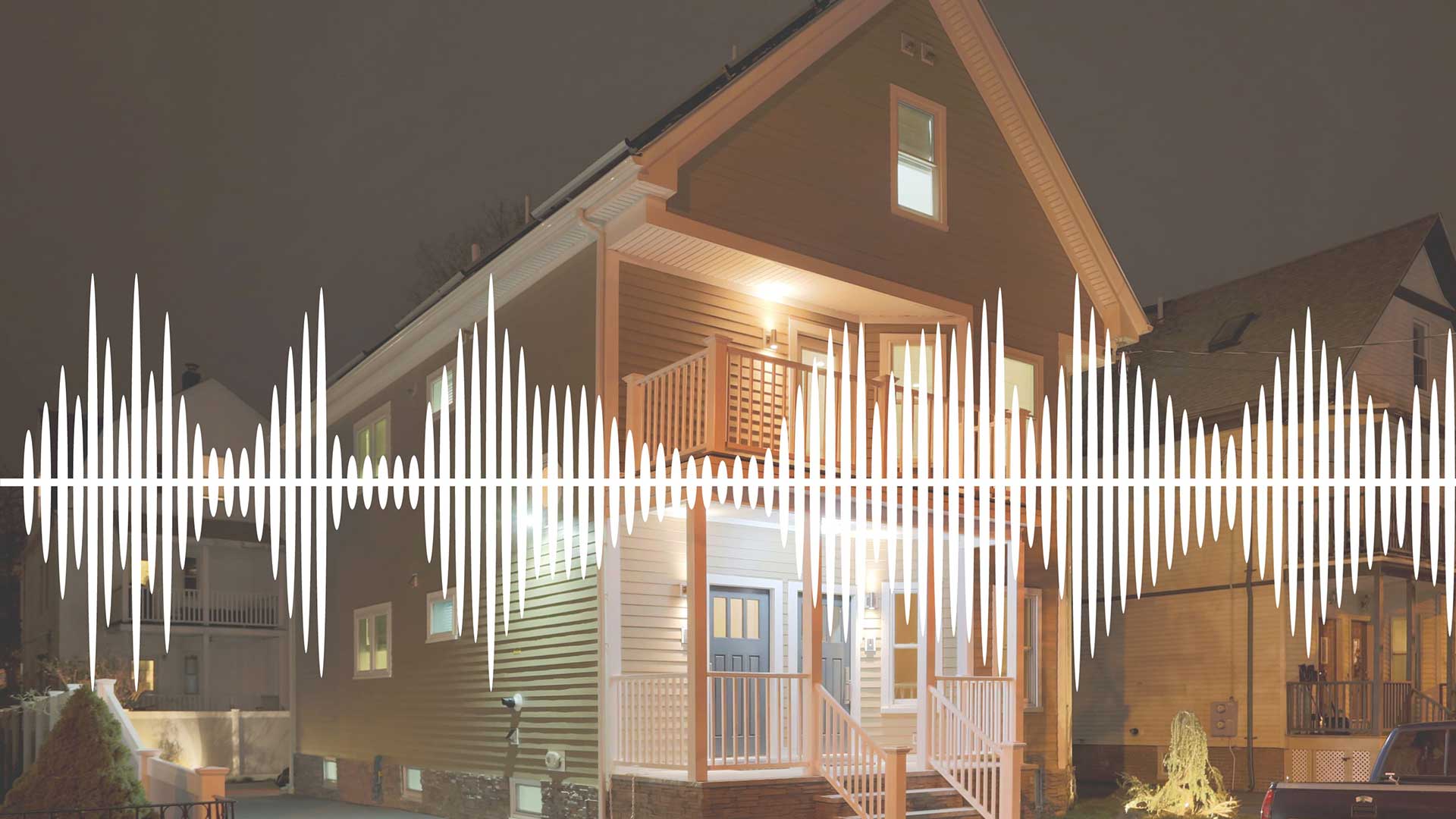
Soundscapes in Architecture: The Frontier in Acoustic Design

Beatrice M. Fulford-Jones, MBA | 1st January, 2024

When we think about architecture, we often focus on the visual aspects – the lines, shapes, and aesthetics of a building. However, one vital element that can greatly influence our experience of a space often goes overlooked: sound. The concept of soundscapes in architecture is an emerging frontier in acoustic design, revolutionizing the way we think about the built environment.

Soundscapes refer to the auditory environment of a space – the combination of all the sounds that make up our acoustic experience. In the past, architectural design prioritized aesthetics and functionality, sometimes at the expense of acoustics. This led to noisy, uncomfortable, and sometimes even stressful environments. However, the importance of soundscapes in architecture is now being recognized and integrated into the design process.

Soundscapes in Architecture
  • Creating Harmony
    Architects are increasingly working in harmony with acoustic engineers to design spaces that sound as good as they look. This means considering not just how a building will appear visually but how it will sound when filled with people, machines, or nature. A harmonious soundscape can enhance our sense of well-being and improve our productivity.
  • Tailoring the Experience
    Soundscapes are not one-size-fits-all. They must be tailored to the purpose of the space. For example, a library will require a different acoustic design than a concert hall. This customization ensures that the sonic environment complements the activities taking place within it.
  • Materials and Form
    Architects are experimenting with materials and forms to manipulate soundscapes. For instance, the use of acoustic panels, diffusers, and innovative building shapes can help control sound reflections and create a desired auditory ambiance.
  • Biophilic Design
    The trend towards biophilic design, which aims to incorporate natural elements into architecture, extends to soundscapes. Integrating natural sounds like flowing water, birdsong, or rustling leaves can create a soothing and restorative environment.
  • Smart Technology
    Technology is playing a crucial role in soundscape design. Smart acoustic systems can adjust the sound environment in real-time, ensuring that the space remains comfortable and functional as conditions change.
  • Health and Well-being
    A growing body of research suggests that the soundscape of a building can significantly impact our health and well-being. Noise pollution is associated with stress and reduced cognitive function. In contrast, a well-designed soundscape can lower stress levels and improve concentration.
  • Sustainability
    Sustainable architecture often involves more than energy efficiency. It also extends to acoustic sustainability. Designing spaces that minimize sound pollution and create pleasant soundscapes is a sustainable practice that benefits both occupants and the environment.
  • Cultural Significance
    Soundscapes have cultural and historical significance. They can reflect the identity and purpose of a space. Preserving or enhancing these cultural soundscapes in architectural design can connect people to their heritage and the stories of the built environment.

In conclusion, soundscapes in architecture are a transformative element that enhances the functionality, comfort, and aesthetics of built environments. Architects, acoustic engineers, and designers are now collaborating more closely than ever to ensure that buildings not only look good but also sound good. As we move forward in architectural design, the acoustic landscape will continue to evolve, setting a new standard for creating spaces that truly engage the senses and enrich our lives. So, the next time you step into a beautifully designed building, take a moment to listen. You might just discover a whole new world of design and sensory experience.

Embracing Nature: The Era of Biodiversity Net Gain in Construction

Beatrice M. Fulford-Jones, MBA | 18th December, 2023

In a landmark move, the UK government, as communicated by the Department for Environment via www.gov.uk in early 2024, mandated that all new housing, domestic, commercial, and infrastructure projects must adopt a ‘Nature Positive’ approach effective January 2024. Architects, designers, and developers are now entrusted with the responsibility of ensuring a 10% ‘Biodiversity Net Gain’ in their designs, marking a significant shift in the industry’s environmental commitment.

Embracing Nature

This directive, integral to the government’s pledge to curb species decline by 2030, was formalized under the pioneering World-leading Environment Act. Under these regulations, developers must present detailed plans outlining how they intend to achieve a 10% benefit for nature in their projects.

Biodiversity Net Gain necessitates developers to exhibit how they are not just replacing but enhancing biodiversity. This involves adherence to ‘biodiversity metric trading’ rules, stipulating that any habitat affected within a project’s boundaries must be replaced on a ‘like for like’ or ‘like for better’ basis.

While onsite biodiversity improvements are encouraged, developers also have the option to contribute to the cause by participating in a private off-site market. This market operates under ‘units,’ allowing developers to purchase them and contribute to biodiversity enhancement elsewhere. A government-administered statutory credit scheme has been established to facilitate industry access to this off-site market.

One exemplary illustration of Biodiversity Net Gain in action comes from Barratt, a leading house builder. They have showcased their commitment by incorporating house martin nesting cups into their bricks and creating hedgehog highways, and small openings beneath fences in back gardens. These measures offer hedgehogs a more extensive area to roam freely. Another noteworthy initiative involved the transformation of an old fishing lake into a thriving nature pond, becoming a vibrant habitat for various bird species after careful enhancement.

In essence, Biodiversity Net Gain marks a pivotal moment in the construction industry’s journey toward sustainability. As architects, designers, and developers join hands to meet these regulations, they are not only contributing to halting species decline but also reshaping the landscape of future projects with a harmonious blend of human infrastructure and flourishing ecosystems.

Shaping Tomorrow’s Spaces: King Charles III’s COP28 Vision Transforms Architectural Design

Beatrice M. Fulford-Jones, MBA | 13th December, 2023

When King Charles III stood at the COP28 summit, his words were not just a call to action but a blueprint for a sustainable future. His emphasis on harmonizing with nature, pioneering innovative solutions, and fostering global collaboration resonates profoundly with the architectural world. It’s a clarion call for the industry to reimagine the spaces we inhabit – both inside and out – to be more in tune with our planet.

shaping-tomorrow-s-spaces-king-charles-iii

Harmonizing with Nature through Biophilic and Sustainable Design

  • Biophilic Design in Action
    Take the Bosco Verticale in Milan, Italy – a pair of residential towers teeming with green life. This design concept doesn’t just beautify; it breathes life into urban spaces, creating microclimates, improving air quality, and enhancing psychological well-being.
  • Sustainable Materials Redefined
    The Bullitt Center in Seattle showcases the potential of sustainable materials. As one of the greenest commercial buildings in the world, it uses responsibly sourced timber and non-toxic materials, setting a new standard for eco-friendly construction.

Pioneering with Energy Efficiency and Smart Technology

  • Energy Efficiency at Its Finest
    The Edge in Amsterdam is a sterling example of energy-efficient architecture. It uses natural light optimization, energy-efficient LED lighting, and smart technology to drastically reduce its energy footprint.
  • Smart Technology Integration
    Singapore’s Tengah’s smart and sustainable town development illustrates the integration of smart technologies in urban design. From automated waste collection to centralized cooling systems, it embodies the future of eco-conscious living.

Fostering Cohesive Global Efforts through Cultural Integration and Collaborative Projects

  • Cultural Integration Embodied
    The Mapungubwe Interpretation Center in South Africa uses locally sourced materials and indigenous building techniques. It’s a testament to the beauty and sustainability that comes from respecting and integrating local culture and environment into design.
  • Collaborative Projects Making Waves
    Project Etopia, a UK venture, illustrates the power of collaboration. By bringing together architects, environmentalists, and technologists, they are creating eco-friendly, smart homes that are affordable and energy-efficient.

Practical Applications in Interior Architecture: A Climate-Responsive and Circular Economy Approach

  • Climate-Responsive Design
    The Pixel Building in Melbourne, Australia, adapts to its local climate with features like a living roof and facade planting, reducing reliance on artificial climate control.
  • Championing Low-Impact Manufacturing
    Interface, a global commercial flooring company, leads in low-impact manufacturing. Their mission to have a completely sustainable production line by 2020 is a beacon for other manufacturers.
  • Circular Economy in Action
    The Resource Rows project in Copenhagen demonstrates circular economy principles in architecture, utilising recycled concrete, wood, and windows in its construction.

Educating Clients and Influencing Policies for a Sustainable Future

  • Educating for Change
    Architects and designers are increasingly holding workshops and seminars for clients, emphasizing the long-term benefits and potential cost savings of sustainable design choices.
  • Policy Advocacy in Real Terms
    Organisations like the American Institute of Architects (AIA) are actively advocating for policies that encourage sustainable design, influencing building codes and regulations.

Conclusion: A Harmonious Future Crafted by Design

King Charles III’s address at COP28 is more than rhetoric; it is a roadmap for the architectural and design community. By embracing these principles, architects and interior designers can create spaces that are not only visually stunning and functional but also serve a higher purpose of environmental stewardship. The movement towards a sustainable, harmonious future is not just possible; it is already underway, and it is up to us to carry this torch forward.

Industry Perspective: What Does a High-End Residential Renovation Project Actually Involve?

Beatrice M. Fulford-Jones, MBA | 24th November, 2023

High-end residential renovation projects are complex undertakings that demand a deep understanding of design principles, technical expertise, and project management skills. At Global Interior Design, we approach each renovation project with a holistic perspective, ensuring that every aspect of the home is transformed into a cohesive and luxurious living space.

Industry-Perspective

New Home Interior Design

For new homes, our architectural interior designer team collaborates closely with the client to create a unique and personalised design concept. This involves understanding the client’s lifestyle, preferences, and aesthetic sensibilities to craft a design that reflects their individuality and enhances their living experience.

Existing Home Renovation and Reconfiguration

Existing homes often require renovation and reconfiguration to adapt to changing needs and lifestyles. Our team carefully assesses the existing structure and layout, identifying areas for improvement, and proposing solutions that enhance functionality, flow, and overall liveability.

Extensions, Additions, and Layout Expansions

When additional space is desired, we provide expert guidance on extensions, additions, and layout expansions. Our team works closely with architects and structural engineers to ensure that any additions are seamlessly integrated into the existing structure, maintaining the home’s architectural integrity and aesthetic appeal.

Space Planning

Effective space planning is crucial for maximising usability and creating a sense of harmony within the home. Our designers meticulously analyse each space, considering furniture placement, movement patterns, and natural light to optimize functionality and enhance the overall flow of the home.

Kitchen and Bathroom Redesign

Kitchens and bathrooms are often the heart of the home, and their design plays a significant role in overall liveability and value. We create custom designs that cater to the client’s culinary and bathing preferences, incorporating high-quality materials, appliances, and fixtures to create luxurious and functional spaces.

Custom Cabinetry and Furniture Design

Custom cabinetry and furniture are essential elements in creating a cohesive and personalised design. Our team collaborates with skilled artisans to design and build bespoke pieces that complement the overall aesthetic and seamlessly integrate with the architectural features of the home.

Materials Selection

Materials selection plays a vital role in defining the character and ambiance of a home. We carefully curate a selection of high-quality materials, from natural stones and hardwoods to luxurious fabrics and finishes, ensuring that every element elevates the overall design.

Lighting Design, Layout, and Configuration

Lighting is an integral part of any renovation project, creating atmosphere, enhancing functionality, and accentuating architectural features. Our lighting designers work closely with homeowners to create a custom lighting plan that incorporates ambient, task, and accent lighting to achieve the desired mood and functionality in each space.

Smart Home Automation

Integrating smart home technology enhances convenience, security, and energy efficiency. Our team seamlessly integrates smart home systems, allowing homeowners to control lighting, temperature, security, and audio-visual systems from a centralised hub or mobile device.

Art and Antique Consultation, Acquisition, and Installation

Art and antiques can add a unique touch of personality and value to a luxury home. Our art consultants assist homeowners in selecting, acquiring, and installing pieces that complement the overall design and reflect their personal taste.

Tile and Stone Selection

Tile and stone are essential components of architectural interior design, adding texture, visual interest, and durability to floors, walls, and countertops. We guide our clients in selecting high-quality tiles and stones that complement the overall aesthetic and enhance the look and feel of their home.

Landscaping, Outdoor Features, and Garden Design

Outdoor spaces are an extension of the living environment, providing opportunities for relaxation, recreation, and enjoyment of nature. Our team has expertise in landscape design, creating cohesive outdoor plans that complement the home’s architectural style and enhance the overall property value.

Sourcing and Delivery Oversight

We ensure that all materials, fixtures, and furnishings are sourced from reputable suppliers and delivered to the site in a timely and organised manner. Our team meticulously checks the quality and specifications of all items to ensure they meet standards.

Installation Supervision, Quality Control, and Total Project Management

Our team oversees the entire installation process, ensuring that all work is executed to the highest standards of quality and craftsmanship. We conduct regular site inspections, address any issues promptly, and maintain open communication with homeowners throughout the project.

In conclusion, high-end residential renovation projects involve a comprehensive approach that encompasses every aspect of the home, from architectural interior design and space planning to materials selection and project management. At Global Interior Design, we are committed to providing our clients with an exceptional experience, transforming their homes into luxurious living spaces that reflect their unique style and aspirations.

Get a Free Quote

Design Begins with a Conversation

No matter your vision or needs, we’re here to help — and always committed to delivering the perfect solution for your project.