Author Archive

A Comparative Analysis: 2023 Net Zero vs Passive House

Beatrice M. Fulford-Jones, MBA | 14th July, 2023

Introduction

In the face of escalating environmental concerns and the urgent need to mitigate climate change, the construction industry has witnessed the emergence of innovative building standards and certifications aimed at reducing energy consumption and greenhouse gas emissions. Two prominent approaches gaining attention in 2023 are the Net Zero and Passive House concepts. This blog aims to provide a comparative analysis of these two building standards, exploring their objectives, strategies, and potential implications in the pursuit of sustainable architecture.
Comparative

Net Zero Buildings

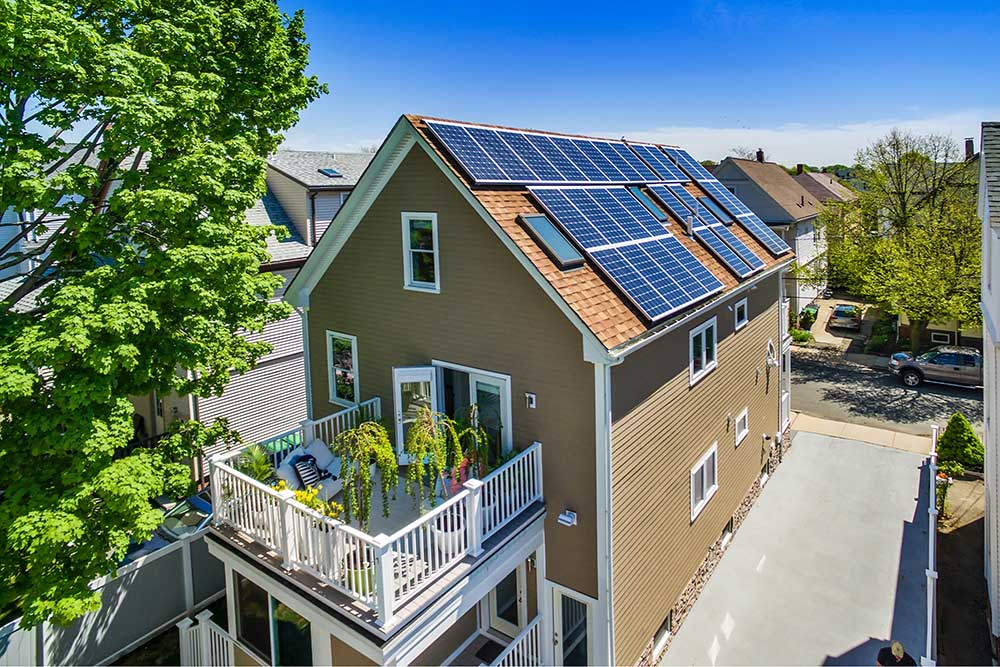
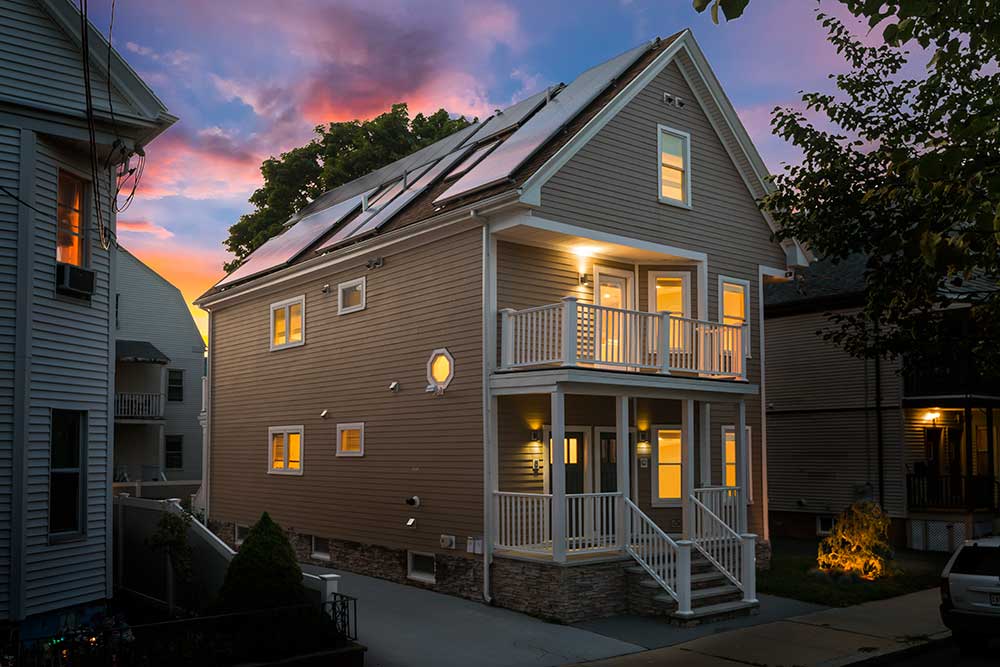
Net Zero buildings are designed to generate as much energy as they consume over a given timeframe, typically on an annual basis. The primary objective of a Net Zero building is to achieve carbon neutrality by offsetting energy consumption through renewable energy generation. These buildings often employ a combination of energy-efficient technologies, renewable energy systems, and advanced building envelopes to minimize energy demands.

Key Features and Strategies

  • Energy Efficiency
    Net Zero buildings prioritize energy efficiency measures such as insulation, high-performance windows, and efficient HVAC systems. These measures reduce the overall energy demand of the building.
  • On-site Renewable Energy
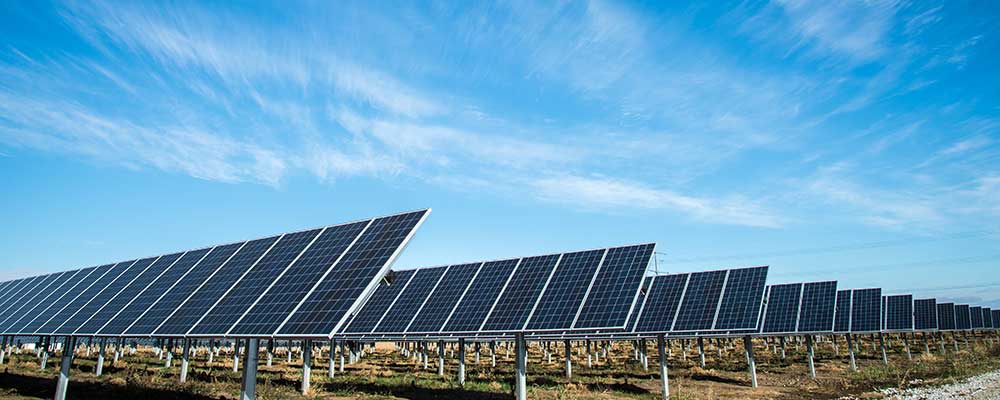
    Net Zero buildings integrate renewable energy systems, such as solar panels, wind turbines, or geothermal systems, to generate clean energy on-site and offset the building’s energy consumption.
  • Energy Management and Monitoring
    Effective energy management systems are crucial for Net Zero buildings. They track energy usage, optimize performance, and ensure the efficient utilization of on-site renewable energy resources.

Passive House Standard

The Passive House standard is an energy-efficient building concept originating from Germany, where it was first introduced in 1991. It focuses on creating highly insulated and airtight structures that require minimal heating or cooling. Passive House buildings achieve exceptional energy efficiency through careful design, insulation, ventilation, and heat recovery systems.

Key Features and Strategies

  • Super Insulation
    Passive House buildings feature highly insulated walls, roofs, and windows. These insulation measures minimize heat transfer, reducing the need for additional heating or cooling.
  • Airtightness
    Airtight construction is a fundamental aspect of Passive House design. By eliminating drafts and uncontrolled airflow, the building maintains a stable indoor environment and reduces heat loss.
  • Heat Recovery Ventilation
    Passive House buildings utilize mechanical ventilation systems with heat recovery. These systems extract heat from outgoing stale air and transfer it to incoming fresh air, ensuring a constant supply of fresh air without compromising energy efficiency.

Comparative Analysis

  • Energy Efficiency
    Both Net Zero and Passive House buildings prioritize energy efficiency, albeit with different strategies. While Net Zero buildings focus on optimizing energy consumption and utilizing renewable energy sources, Passive House buildings prioritize minimizing energy demand through insulation and airtightness.
  • Renewable Energy Integration
    Net Zero buildings place a strong emphasis on on-site renewable energy generation, while Passive House buildings do not require it as a prerequisite for achieving energy efficiency.
  • Building Envelope
    Passive House buildings have stringent requirements for insulation and airtightness, leading to reduced heat loss and thermal bridging. Net Zero buildings also emphasize energy-efficient building envelopes but may have broader requirements depending on the specific certification program.
  • Flexibility
    Net Zero buildings offer more flexibility in terms of energy generation and consumption patterns. They can incorporate a variety of renewable energy systems and adapt to changing energy needs. Passive House buildings, on the other hand, focus primarily on reducing energy demand through design and construction, with less emphasis on energy generation.

Conclusion

Both Net Zero and Passive House concepts contribute significantly to sustainable architecture by promoting energy efficiency and reduced carbon emissions. Net Zero buildings achieve carbon neutrality by offsetting energy consumption with on-site renewable energy generation, while Passive House buildings focus on minimizing energy demand through insulation, airtightness, and heat recovery. While each approach has its unique advantages, a combination of both strategies can pave the way for energy-efficient, carbon-neutral buildings in the future. Architects, designers, and policymakers must continue to explore and refine these concepts to create a built environment that aligns with our global sustainability goals.
Embracing Forward-Thinking Strategy: The Key to Architectural Interior Design Excellence

The dynamic nature of the architectural and interior design industry demands an unwavering commitment to innovation and progress. As a distinguished architectural interior design firm, Global Interior Design has long recognized the importance of forward-thinking strategy to stay ahead of the curve, ensuring our clients receive the most exceptional service and solutions. In this blog, we explore the integral role of adopting a visionary approach in our ever-evolving field.

Architectural-Interior

1. Anticipating Future Trends

Remaining attuned to emerging trends is a vital aspect of a forward-thinking strategy. By actively engaging with design fairs, conferences, and industry publications, we cultivate a deep understanding of the shifting design landscape. This knowledge enables us to craft spaces that not only address current trends but also anticipate future shifts, ensuring our designs remain relevant, functional, and aesthetically appealing for years to come.

2. Sustainable and Eco-conscious Design

Environmental concerns are increasingly shaping the design industry. A progressive design firm, such as ours, must incorporate sustainable and eco-conscious elements in our projects. By utilizing energy-efficient materials, environmentally friendly technologies, and innovative building techniques, we can create spaces that not only reduce environmental impact but also enhance the well-being of the occupants.

3. Embracing Technological Advancements

Technology is revolutionizing the design process, and adopting cutting-edge tools is crucial for a forward-thinking design firm. From 3D modeling and virtual reality to artificial intelligence and building information modeling (BIM), these advancements allow us to visualize, plan, and execute projects with unprecedented precision and efficiency. Moreover, integrating smart home technologies and automation systems into our designs can greatly enhance the user experience, fostering seamless interaction between the inhabitants and their environment.

4. Adapting to Changing Client Needs

A forward-thinking strategy involves recognizing and adapting to the evolving needs and preferences of clients. By fostering open communication and actively listening to our clients’ desires, we can develop tailored solutions that resonate with their unique lifestyles and requirements. This personalized approach not only ensures client satisfaction but also contributes to the creation of timeless designs that transcend fleeting trends.

5. Investing in Continuing Education and Professional Development

The design industry is in a constant state of flux, making it imperative for design professionals to invest in ongoing education and professional development. At Global Interior Design, our team remains committed to refining their skills and expanding their knowledge through workshops, seminars, and certification programs. This dedication to learning ensures that we continue to deliver unparalleled expertise and innovative design solutions.

In conclusion, adopting a forward-thinking strategy is paramount for architectural interior design firms like ours. By embracing change and remaining at the forefront of industry developments, we can create exceptional spaces that not only cater to our clients’ current needs but also anticipate future requirements. The importance of forward-thinking strategy cannot be overstated, as it is the cornerstone of excellence in architectural interior design.

Welcome to Global Interior Design: Crafting a Sustainable Luxury Haven

At Global Interior Design, we pride ourselves on creating bespoke, luxurious living spaces that are not only visually stunning but also environmentally conscious. We are delighted to share with you our recent project, a net-zero carbon penthouse that embodies our commitment to sustainable architectural interior design.

Global-Interior

Nestled in an upscale urban setting, this penthouse serves as a testament to our meticulous design approach, encompassing both aesthetics and sustainability. Our team worked closely with the client to create a sanctuary that balances opulence and eco-friendliness, reflecting their desire for a comfortable, energy-efficient, and carbon-neutral home.

The project commenced with a thorough assessment of the penthouse’s envelope, ensuring the highest standards of insulation and air-tightness. We selected energy-efficient windows, doors, and roofing materials, effectively reducing heat loss and minimizing energy consumption.

Our design incorporated natural, sustainable materials such as reclaimed wood and low-VOC paints, contributing to the overall ambiance while minimizing the environmental footprint. The installation of energy-efficient LED lighting, a smart home automation system, and Energy Star-certified appliances further emphasized our commitment to sustainability.

To achieve net-zero carbon status, we integrated renewable energy solutions, including solar panels and a state-of-the-art energy storage system. This approach allowed the penthouse to generate its own electricity, offsetting its carbon emissions and reducing utility costs for the homeowner.

Throughout the project, our team focused on maximizing the living space’s functionality, comfort, and visual appeal. We carefully curated furniture, artwork, and accessories that complemented the eco-luxury theme while addressing the client’s unique preferences and lifestyle.

As a leading architectural interior design firm, Global Interior Design is dedicated to creating spaces that not only epitomize elegance but also contribute to a more sustainable future. By emphasizing net-zero and carbon-neutral principles in our designs, we ensure our clients can enjoy luxurious living without compromising the well-being of our planet. We invite you to explore the world of sustainable luxury at Global Interior Design and join us in our quest for a greener tomorrow.

Leadership in Energy and Environmental Design (LEED)

Beatrice M. Fulford-Jones, MBA | 25th April, 2023

LEED (Leadership in Energy and Environmental Design) is a certification program developed in 1993 by the US Green Building Council (USGBC) and was globally recognised and adopted. LEED provides a framework for healthy, efficient, carbon and cost-saving green buildings.

The LEED certification process involves satisfying prerequisites and earning credits in different categories. Prerequisites are mandatory requirements that must be met before a project can earn any credits. Credits are optional and allow a project to earn additional points toward certification.

Leadership-in-Energy

The LEED rating categories

The current version of the LEED rating system, LEED v4.1, includes the following categories:

  • Integrative Process
    This category emphasizes the importance of early collaboration and planning among project team members to achieve sustainability goals.
  • Location and Transportation
    This category rewards projects that are located in areas with access to public transportation and that encourage non-motorized transportation options.
  • Sustainable Sites
    This category encourages the use of sustainable site development practices, including the preservation of natural resources and the reduction of waste.
  • Water Efficiency
    This category promotes the efficient use of water through the implementation of water-saving strategies and technologies.
  • Energy and Atmosphere
    This category focuses on reducing the energy consumption and greenhouse gas emissions of buildings.
  • Materials and Resources
    This category promotes the use of sustainable building materials and the reduction of waste generated during construction and operation.
  • Indoor Environmental Quality
    This category emphasizes the importance of providing a healthy and comfortable indoor environment for building occupants.
  • Innovation
    This category rewards projects for implementing innovative strategies and technologies that go beyond the requirements of other LEED categories.
  • Regional Priority
    This category allows projects to earn additional points for addressing specific environmental priorities in their region.

To achieve LEED certification, a project must earn a minimum number of points in each category and a total number of points overall. The level of certification obtained (Certified, Silver, Gold, or Platinum) depends on the number of points earned. Such a certification increases the value and desirability of commercial as well as domestic properties.

Global reach

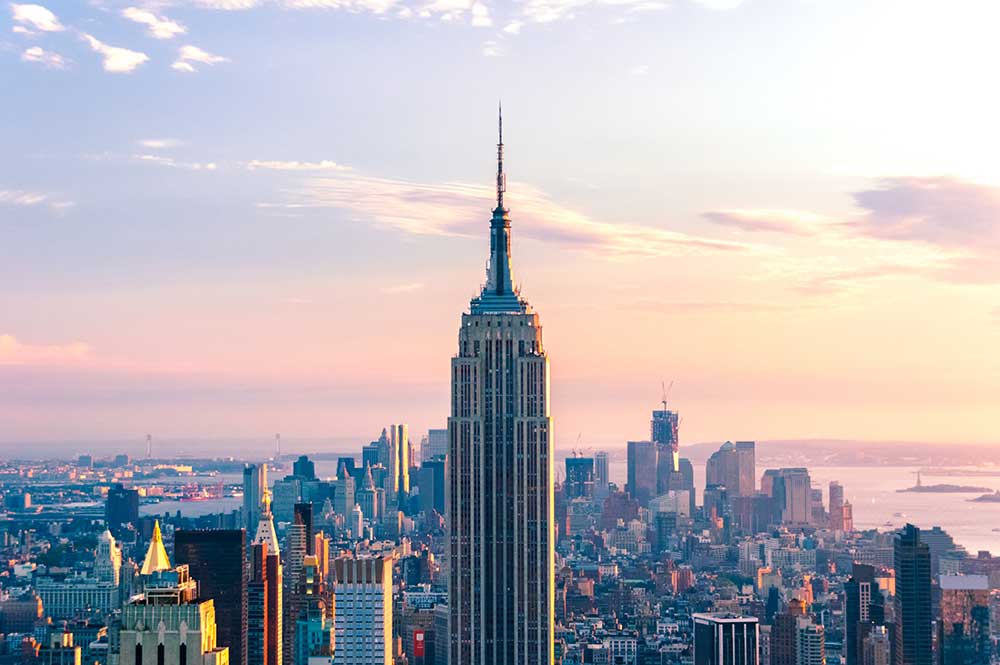
Since 1993 the number of LEED registrations has increased globally. To date, approximating 160 countries and territories are participating in LEED projects. In 2021, a research study by www.eandt.theiet.org named the US as holding the number one position overall, with a total of 124,212 LEED certified projects. The highest accolade, LEED Gold for Existing Buildings, was awarded to The Empire State Building:

Empire State Building | U.S. Green Building Council. The Republic of China took the second place with 5,678 LEED certified projects and Canada the third with 3,066 projects. India was fourth with 2,246 and the UAE firth with 2,029. The only European country within the top ten was Spain, with a total of 951. The UK barely registered.

How to reach a net-zero target?

Beatrice M. Fulford-Jones, MBA | 25th April, 2023

What are the parameters a new construction, rebuilding, retrofitting firm needs to observe to obtain officially certified energy efficiency, waste reduction of product footprint, travel etc to reach a net-zero target?

Parameters

Parameters to reach a net-zero target

To obtain official certification for energy efficiency, waste reduction, and reaching a net-zero target, a rebuilding or retrofitting firm must observe a range of parameters and adhere to relevant standards and guidelines. Some key parameters include:

  • Energy efficiency:
    a. Building envelope improvements: Insulation, air sealing, and high-performance windows to minimize heat transfer.
    b. HVAC systems: Installing energy-efficient heating, ventilation, and air conditioning systems.
    c. Lighting systems: Using energy-efficient lighting systems like LED, and incorporating natural daylighting strategies.
    d. Building automation: Implementing energy management systems and smart controls.
    e. Renewable energy integration: Solar panels, wind turbines, or other onsite renewable energy sources.
    f. Energy-efficient appliances and equipment: Choosing ENERGY STAR-rated products.
  • Waste reduction:
    a. Construction waste management: Implementing waste reduction plans, recycling, and reusing materials during construction.
    b. Material selection: Using environmentally-friendly materials and products with low embodied carbon.
    c. Water efficiency: Installing water-saving fixtures and appliances, rainwater harvesting, and greywater recycling systems.
    d. Sustainable landscaping: Using native plants and xeriscaping to minimize water use and maintenance.
  • Product footprint:
    a. Life cycle assessment (LCA): Conducting LCA to measure and minimize the environmental impact of products or materials used in the project.
    b. Carbon accounting: Tracking and reporting greenhouse gas emissions associated with the project, including embodied and operational emissions.
    c. Supply chain sustainability: Ensuring suppliers and subcontractors adhere to sustainable practices and share the net-zero goal.
  • Sustainable transportation:
    a. Transportation demand management (TDM) strategies: Encouraging alternative commuting options like carpooling, public transit, and teleworking.
    b. Electric vehicle (EV) infrastructure: Installing EV charging stations and promoting EV use.
    c. Bike-friendly infrastructure: Providing bike storage, changing rooms, and showers to encourage cycling.
  • Monitoring and reporting:
    a. Energy and water consumption: Regularly monitoring and reporting energy and water use to track progress towards net-zero goals.
    b. Greenhouse gas emissions: Measuring and reporting emissions associated with building operations and transportation.
    c. Waste generation: Tracking and reporting waste generated and diverted from the landfill.
  • Certification:
    Pursue established certifications such as LEED, BREEAM, or WELL, which have specific requirements for energy efficiency, waste reduction, and overall sustainability.

By adhering to these parameters and working closely with local and national authorities, a rebuilding or retrofitting firm can successfully obtain official certification for energy efficiency, waste reduction, and net-zero targets.

Get a Free Quote

Design Begins with a Conversation

No matter your vision or needs, we’re here to help — and always committed to delivering the perfect solution for your project.