
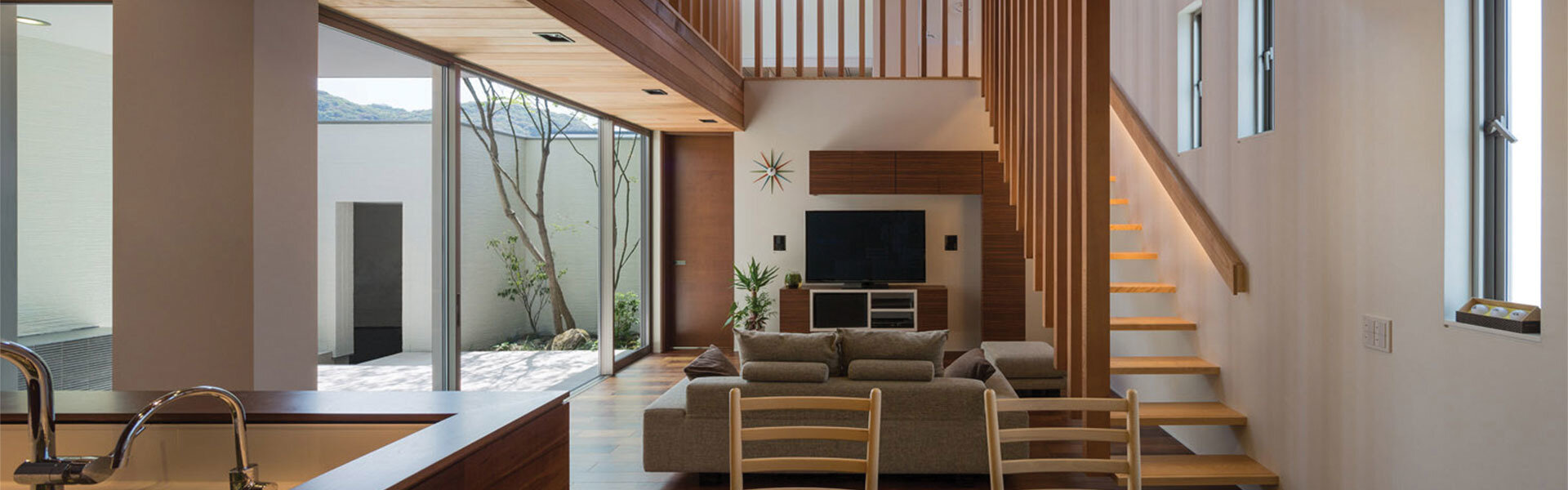
Creating a home that feels beautifully designed, deeply personal, and meticulously crafted is something many homeowners aspire to. Interior design has evolved far beyond its traditional role of selecting fabrics and furniture. Today, it encompasses spatial planning, functionality, architectural awareness, sustainability, craftsmanship, and refined aesthetic direction. This is why many people seek the best residential interior designers in London to bring their vision to life and ensure their property reaches its full potential.
Every home tells a story—how people live, how they relax, and how they express their style. Residential interior designers have the expertise to translate this story into a fully realised environment that balances comfort, purpose, and beauty. From concept development to installation and finishing touches, the design process is a journey that reshapes not only the home, but often the way its occupants experience daily living.
Why Residential Interior Design Matters
A well-designed home is more than attractive décor. It supports routines, enhances comfort, and sets the tone for how people feel within the space. Thoughtful design can influence mood, reduce stress, improve productivity, and create a sense of harmony. This depth of impact is one of the main reasons homeowners invest in professional interior design services.
- Design brings clarity and purpose – Homes often evolve without a clear plan—furniture collected over time, colour palettes added in stages, and layouts adjusted reactively rather than intentionally. Professional design brings cohesion and a structured vision. Every room is considered in relation to the entire home, resulting in a seamless flow.
- Functionality is elevated – Interior designers assess how a household operates—work habits, social routines, family size, lifestyle needs, and personal preferences. They then plan layouts, storage solutions, furniture arrangements, and material choices that support those needs with maximum efficiency.
- Aesthetic consistency transforms the home – Homes that feel naturally elegant aren’t accidental; they are carefully curated. Designers ensure colours, textures, lighting, and proportions complement each other, producing interiors that feel balanced and visually harmonious.
- Expert guidance reduces stress – Designing or renovating a home can be time-consuming and overwhelming. Designers streamline the process by managing suppliers, coordinating trades, overseeing craftsmanship quality, and ensuring the plan remains coherent from start to finish.
Qualities of the Best Residential Interior Designers in London
While every designer has their own creative identity, the top professionals share several traits that set them apart.
- Strong design identity combined with adaptability
The most respected designers have a recognisable approach, yet never impose a single “signature look” on clients. Instead, they interpret individual tastes and shape them into refined, functional interiors that feel personal and timeless. - Technical expertise
High-quality residential design demands a strong understanding of:- spatial planning
- structural awareness
- material performance
- lighting principles
- ergonomics
- sustainability
- joinery and furniture craftsmanship
This technical foundation allows designers to create homes that look exceptional and function effortlessly.
- Exceptional communication
Great design is collaborative. Clear communication helps the designer understand a client’s vision and refine ideas that might be ambiguous or undeveloped. It ensures expectations and outcomes remain aligned. - Detail-driven project execution
The difference between a good interior and an outstanding one is often in the details—stitching, alignment, scale, texture contrast, lighting tone, craftsmanship precision, and placement. Leading designers manage every detail with careful intention. - Ethical sourcing and sustainability awareness
Many residential designers now prioritise environmentally conscious materials, energy-efficient systems, and ethically crafted furnishings. This approach creates healthier living environments and more responsible homes for the future.
Key Stages of the Interior Design Process
Although each designer works differently, most high-quality residential projects follow a structured process.
1. Initial consultation
This is the discovery stage where the designer learns:
- your lifestyle
- your preferences
- your functional needs
- your concerns and challenges
- your long-term goals
It sets the foundation for a personalised design direction.
2. Concept creation
Here, designers curate:
- mood boards
- material samples
- colour palettes
- layout options
- initial furniture suggestions
This stage captures the creative essence of the project.
3. Detailed design development
Once the concept is approved, the designer prepares detailed plans such as:
- floorplans
- elevation drawings
- lighting and electrical layouts
- custom joinery designs
- 3D visualisations
- detailed schedules for materials and finishes
Every decision is documented to ensure accuracy during execution.
4. Procurement and supplier coordination
Designers source and purchase all required items, including:
- furniture
- lighting
- flooring
- soft furnishings
- accessories
- bespoke joinery
Their industry relationships often provide superior quality, workmanship, and options unavailable to the general public.
5. Installation and styling
Once contractors complete any building or refurbishment work, the designer oversees the placement of every item and ensures final styling is executed to perfection. This includes:
- artwork placement
- furniture positioning
- accessory arrangement
- fabric and soft furnishing layout
This final layer brings warmth, cohesion, and personality to the home.
6. Project completion and handover
The designer conducts a detailed review with the client, ensures everything aligns with the design plan, and addresses any final adjustments required.
What Makes a Residential Design Project Successful?
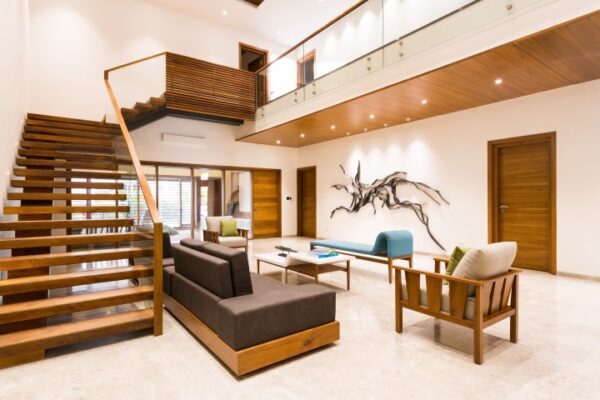
Successful residential interiors depend on the relationship between designer and homeowner, but several factors consistently contribute to exceptional results.
- Clear communication – Transparent conversations help the designer understand priorities, budget, style preferences, and lifestyle habits. This clarity supports better decision-making throughout the project.
- Patience and trust – High-quality design takes time. Trust allows the designer to deliver a refined, cohesive vision without unnecessary interruptions or fragmented decision-making.
- Willingness to explore new ideas – Many of the most extraordinary interiors are created when clients embrace fresh concepts they might not have considered before.
- Investment in craftsmanship – Bespoke joinery, quality furnishings, premium materials, and professional installation elevate the overall home experience and ensure the design stands the test of time.
How Residential Interior Design Enhances Everyday Living
The benefits of professional design extend far beyond aesthetics.
1. Improved spatial efficiency
Thoughtfully planned spaces feel easier to move through, more practical, and more comfortable. Designers optimise:
- furniture arrangements
- circulation flow
- storage systems
- room functionality
2. Better lighting
Well-designed lighting affects everything—from mood to productivity. Designers use layered lighting:
- ambient (general light)
- task (focused light)
- accent (decorative light)
This combination enriches the atmosphere and functionality of the home.
3. Long-term durability
Professional design emphasises materials and finishes that offer both beauty and longevity. Durable choices reduce maintenance, replacement costs, and long-term inconvenience.
4. Emotional comfort
A beautifully balanced home encourages relaxation, creativity, and emotional well-being. When everything feels intentional and in harmony, daily life becomes more enjoyable.
Why Choose the Best Residential Interior Designers in London?
London is home to exceptional creative talent and design innovation. The best designers combine artistic flair with technical capability to deliver homes that are both deeply personal and impeccably crafted. They understand the unique needs of modern living and can transform even the most ordinary space into something extraordinary.
Choosing a skilled designer ensures you receive:
- A Tailored Approach
- Professional expertise
- Meticulous Craftsmanship
- Seamless Project Management
- Timeless, High-Quality Results
Whether it’s a full renovation or simply elevating one or two rooms, the right designer has the power to reshape your environment in ways that feel meaningful, practical, and long-lasting.

FAQs – Best Residential Interior Designers in London
- How do I choose the right interior designer?
Look for designers whose work aligns with your style, who communicate clearly, and who demonstrate strong technical understanding. Reviewing portfolios and reading testimonials can provide valuable insights. - What is the typical cost of hiring a residential interior designer?
Costs depend on the scope of work, size of the home, design complexity, and level of customisation. Some designers charge a fixed fee, others a percentage of the project cost. - How long does a full design project usually take?
Timelines vary widely. Small projects may take several weeks, while complete home transformations can take several months or longer. - Can interior designers work with my existing furniture?
Most designers are happy to incorporate treasured pieces, heirlooms, or existing furniture if they fit the design direction. - Do I need a designer for small spaces?
Absolutely. Smaller homes often benefit the most from clever design solutions, especially when storage and layout require optimisation. - What’s the difference between interior design and interior styling?
Interior design addresses layout, spatial planning, structural adjustments, lighting, and materials. Styling focuses on the finishing touches such as décor, accessories, textiles, and arrangement. - Do interior designers manage contractors?
Many offer full project management, coordinating trades, tracking progress, sourcing materials, and overseeing installation.